Over the years we’ve seen ALAN issue a lot of practical “Do’s And Don’ts” about disasters – including one that’s a real head-scratcher. Walk us through why you and so many other nonprofits are so emphatic about discouraging companies’ post-disaster product collection drives.
Thanks for asking, because we really do have a good reason. In fact, we have several, which is why we‘d like to turn the tables on this particular “Tough Questions” feature and provide you with some tough questions that we encourage all companies to ask before hosting any post-disaster collection drive.
Go ahead. You’ve got our attention.
The first two questions sound like no-brainers. But hear us out, because they’re ultra-important: What organization is asking for the items your company is collecting? And how much intel do they have about current relief efforts?
The reason this is so critical is that all disasters have unique pain points. For instance, sometimes it may turn out that local responders are all squared away with water filters but are running low on tarps or PPE – or vice versa. And there’s really no way of knowing what these pain points (and the needs that have arisen because of them) are unless you’re working closely with nonprofits who have people on the ground at a disaster site.
Is that why ALAN often says it’s “standing by” with its plans to help right after different disasters?
It is – and it’s why your organization should be doing the same.
Unless your company’s product collection drive is tied to a direct request from an organization that knows what’s really taking place on the ground, it’s highly possible that the items you’re collecting might not be needed by survivors once they arrive – if they reach survivors at all.
What do you mean “if”?
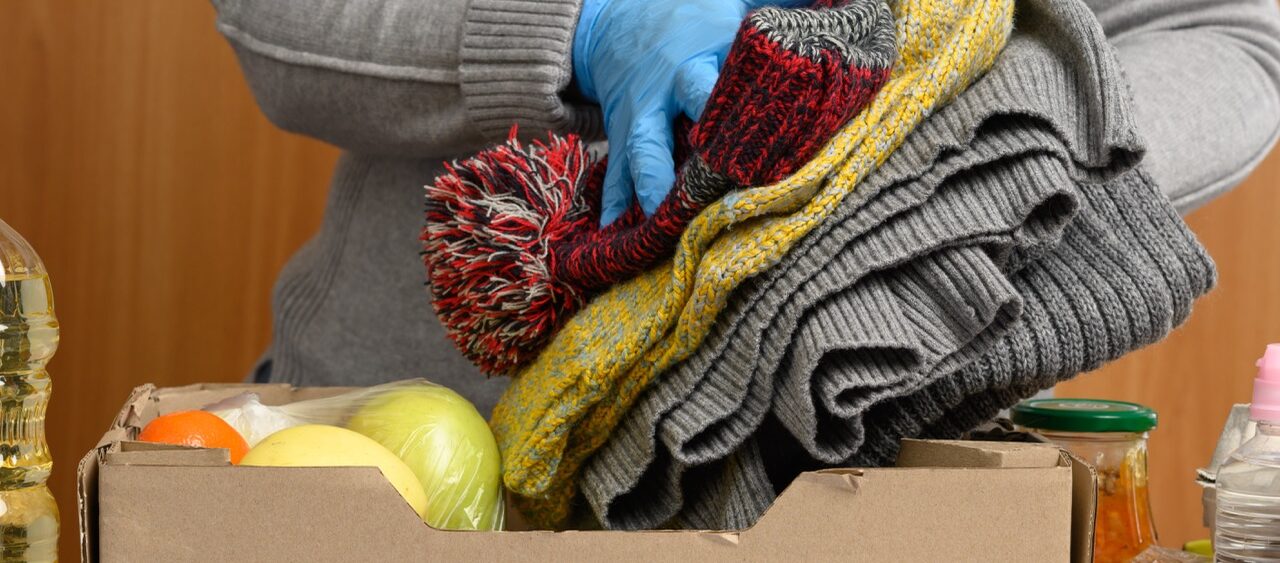
As logistics professionals, you’ve probably already considered the particulars of how your collection drive’s items might get stored, transported and distributed to disaster survivors. Unfortunately, many organizations haven’t.
For example, consider the true story of the local military unit that decided to host a collection drive for hurricane survivors. Because it received a record number of donated items and hadn’t thought the logistics through, a lot of the contributed items wound up sitting on a tarmac for months before the unit could find a nonprofit that was willing to take them. And by then, most were so waterlogged and/or expired that they had to go straight into a dumpster.
Stories like that are quite common in the disaster relief space, where everything from trucking capacity to temporary warehouse space is in short supply – and where getting there isn’t always guaranteed.
Which brings us to our next important question: Do the people who will be receiving and distributing the goods your company is collecting know the goods are coming?
Why is that so important? After all, isn’t all free stuff good stuff?
First responders and relief workers who are on site at a disaster aren’t just “kind of” busy during the initial days or weeks following a disaster. They’re busier than your Aunt Ethel who’s trying to juggle a turkey, sixteen side dishes and five different kinds of pie on Thanksgiving Day.
So the last thing they need is someone showing up with a surprise truckload of supplies that they haven’t asked or planned for. These loads can really get in the way of existing rescue and relief efforts, many of which are already challenged by damaged roadways, railways and port infrastructure, and the lack of other necessities like electricity.
Okay, so far we’ve refrained from calling you Ebenezer Scrooge. But we’re getting super close to the Season of Giving, and we could really use some encouraging words and positive suggestions for how to help disaster survivors.
You read our minds, because our last recommended question is: Could a different kind of contribution be more useful?
Would we be correct in assuming the answer is a resounding yes?
Absolutely.
Every time a disaster occurs, you’ll always hear nonprofits like ours urging people to donate cash. These monetary gifts allow relief organizations to purchase what’s most needed often at a much better price than you could get – and to and source items from someplace that’s much closer to disaster sites. And that in turn allows them to help more survivors much more quickly.
You’ll also see us encouraging people to donate their time, expertise and logistics services, because we know what a game-changer they can be. In fact, ALAN is “collecting” pre-offers for those services right now (pun intended).
Keep these possibilities in mind the next time your organization is looking for meaningful ways to assist disaster survivors.
This is all helpful stuff. Does ALAN have any additional resources in case I’d like to learn more?
For more information about this topic, check out our “How To Help Without Hurting” tutorial – and please feel free to pass it along to any organization you think might find it useful.